Replica of the injector device from the Metro 2033 game (Exodus DLC)
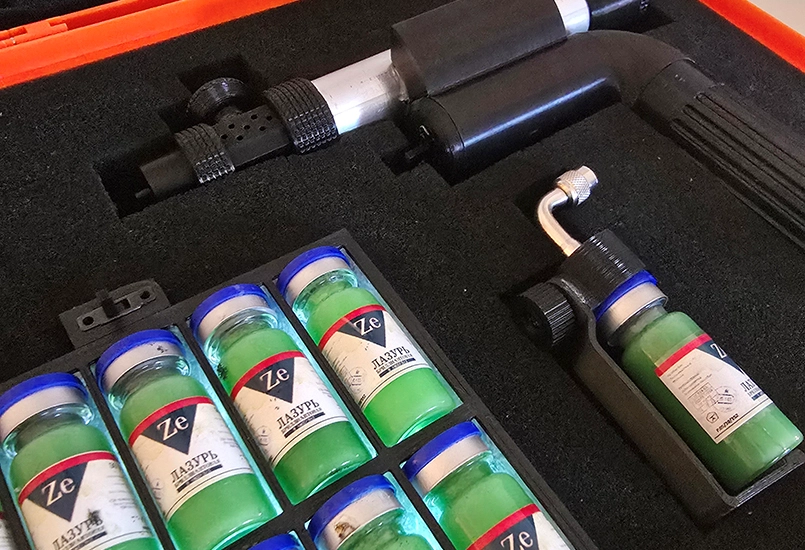
The injector was conceived immediately after replaying the Redux versions of the Metro series and building the Metro 2033 watch. A specific moment in Metro Exodus became the trigger. At the end of the story, Artyom survives only by injecting himself with a pneumatic dosing gun. That scene framed the injector as a survival device rather than a medical prop.
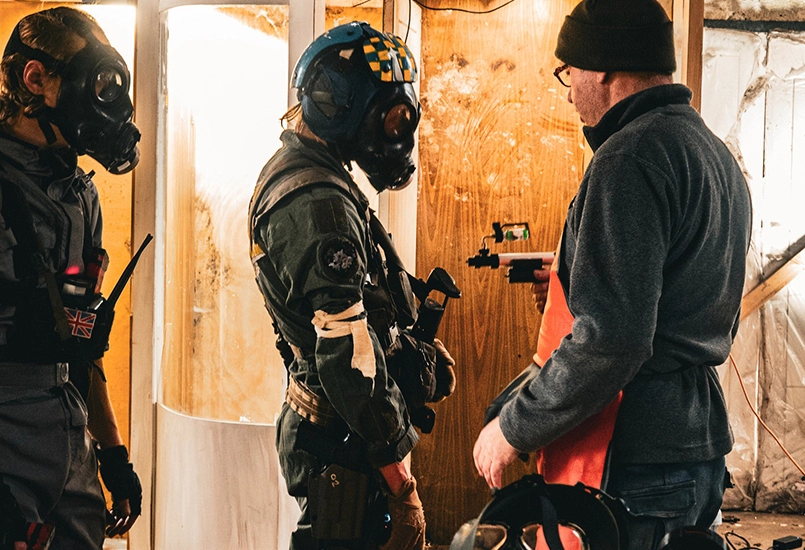
Within the StAlkErS live-action roleplay event, the injector became a solution to a gameplay problem. Players exiting decontamination pods after failure needed a believable way to be restored without breaking immersion.
The injector was modelled in CAD using in-game screenshots as reference. At the time, the work was done in FreeCAD, which made the process slower but sufficient. An aluminium tube left over from the RAD sticks in the Dosimenter project became the main body.
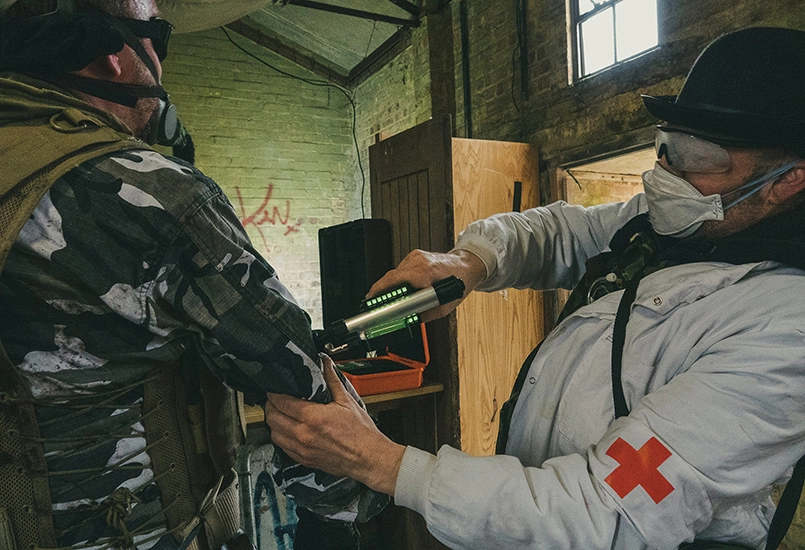
Internally, the device reused existing stock. An Arduino Nano handled logic, a DFPlayer drove audio, a vape battery powered the system, and two short NeoPixel strips simulated the transfer of serum. A momentary switch at the muzzle triggered the sequence when pressed against a player.
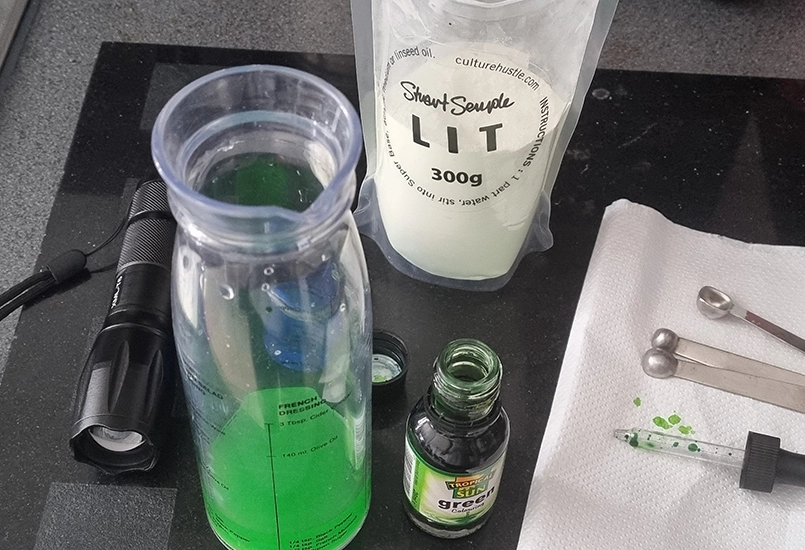
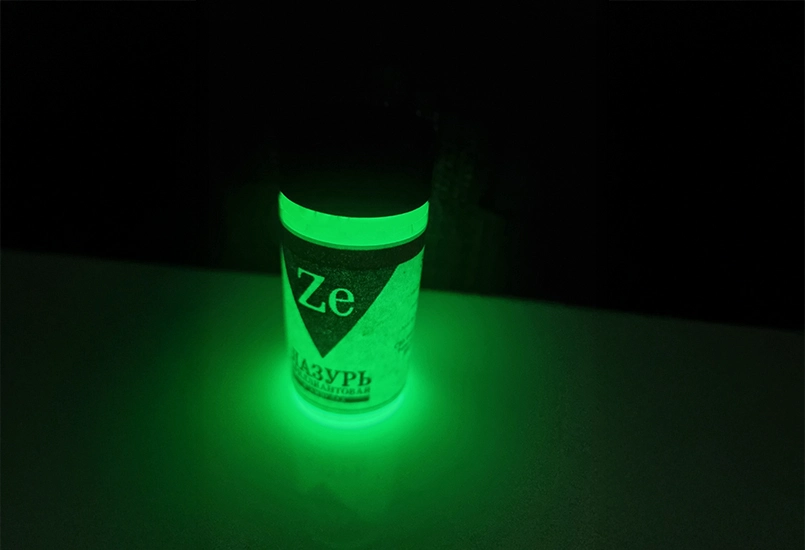
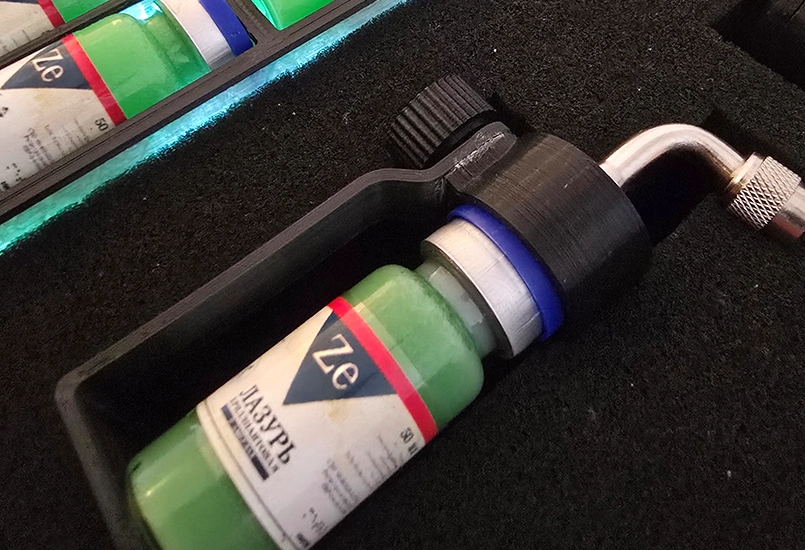
The serum vials were as much a materials experiment as a visual one. Labels were recreated from game references and applied to glass bottles. Achieving a permanent glow proved difficult. Chemical light sticks were rejected due to their limited lifespan.
Glow-in-the-dark powder was suspended in UV resin and cured inside the vials. This solved the settling problem but introduced long-term degradation. Over time, incomplete curing caused resin to become sticky and leak, contaminating the case. The vials were never opened or handled during play, which made the failure purely material rather than mechanical.
In play, the injector worked as intended. A whoosh sound, animated LEDs, and physical interaction sold the effect. Players paid five Bullets for treatment and accepted the process without resistance. The device functioned as a ritual rather than a reset.
Two failures stood out. The resin-filled vials degraded over time and will need rebuilding or sealing. The injector also lacked an integrated charging port, reducing reliability between events.
The most important lesson was restraint. Considerable effort went into glow effects that were never visible in a brightly lit medical space. The injector reinforced a familiar rule. If players cannot perceive an effect in context, it adds complexity without value.
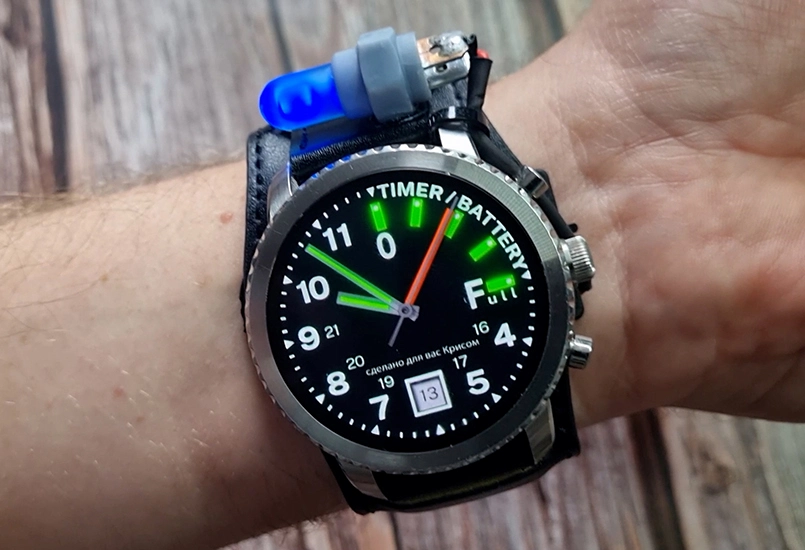
A replica of the watch featured in the Metro 2033 video game, created using donor watch and electronics.
Read more